
One Network, One Helm: What NMEA 2000 Actually Does for Your Boat
Along the coasts of Costa Rica, you will find sport fishers in Quepos and Los Sueños, sailboats tucked into Golfito, and the odd charter cat that lives half the year under a tarp in the rainy season. The jobs that go smoothly almost always have the same thing in common: a clean NMEA 2000 network. The jobs that turn into a weekend of chasing ghosts usually do not.
If you own a boat here, this is worth understanding before the next electronics upgrade. Not because you need to become a technician, but to know why you’re spending all that money. A proper network will transform your experience into absolute bliss, and a sloppy one will fail exactly when you need it most.
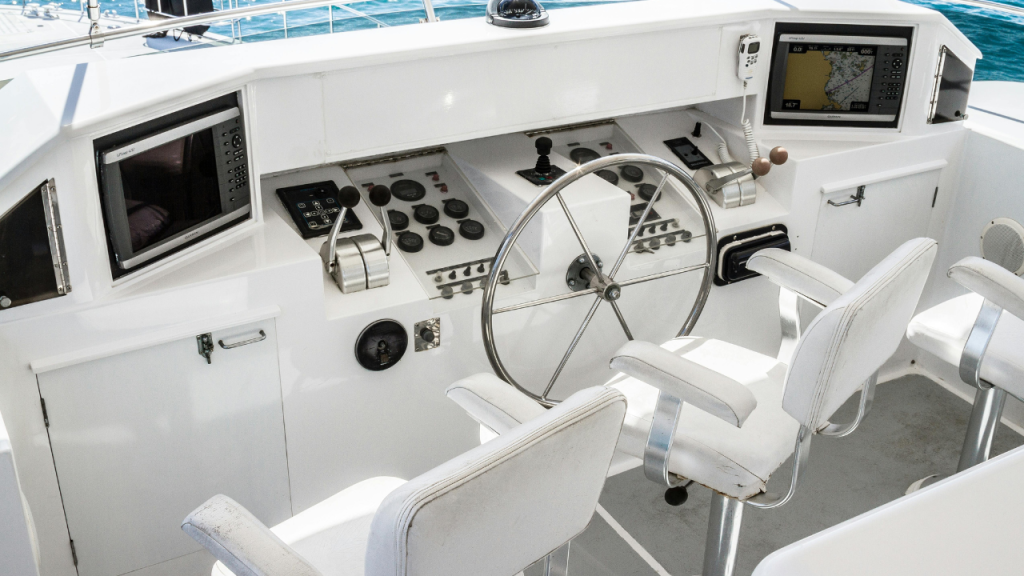
What NMEA 2000 is, in plain language
NMEA 2000 (people on the dock just say N2K) is the shared language modern marine electronics use to talk to each other. It was designed by the National Marine Electronics Association and rides on the same kind of CAN bus you find in cars and trucks. Instead of running a separate wire from every sensor to every screen, you install one powered backbone cable through the boat. Devices plug into that backbone with short “drop cables”. GPS, chart plotter, depth, wind, engine data, tank levels, AIS, autopilot, battery monitor — they all publish their information on the network, and any compatible display can read it.
The older system, NMEA 0183, was point-to-point. One talker, a listener or two, and a nest of cables behind the helm. It still works, and plenty of boats here still have pieces of it. NMEA 2000 replaced that tangle with a single trunk: add a device, and it will display the information.
What that means for you as an owner
Less wire, fewer failure points. On a typical center console or coastal cruiser, a full 0183 install meant bundles of small-gauge cable snaking through potentially damp areas. Every termination or splice is a place salt and humidity can win. A backbone with a handful of sealed connectors is easier to keep dry and easier to trace when something does go wrong.
One picture of the boat. Your plotter at the helm can show position, depth, sea temperature, engine RPM, fuel flow, and tank levels at the same time — even if those sensors came from three different brands. On a second station, the same data is already there. No second depth sounder just so the flybridge can see the bottom.
Easier to grow. Want a fuel-flow sensor next season, or a wind instrument, or an engine gateway so the Yamaha or the Cummins shows up on the Garmin or the Raymarine? On a healthy network, that’s a T-connector, a short drop, and a power-up. The new device announces itself. You are not rewiring the helm.
A failed sensor does not mute the boat. Unplug the depth transducer and the GPS, AIS, and engine data keep talking. On the old serial chains, one dead instrument in the middle could take the autopilot’s heading with it.
Certified gear actually plays together. Stick to NMEA 2000-certified devices and you are not locked into one manufacturer’s proprietary plug. That matters in Costa Rica, where the shop in Golfito may not stock the same brand the boat was commissioned with in Florida.
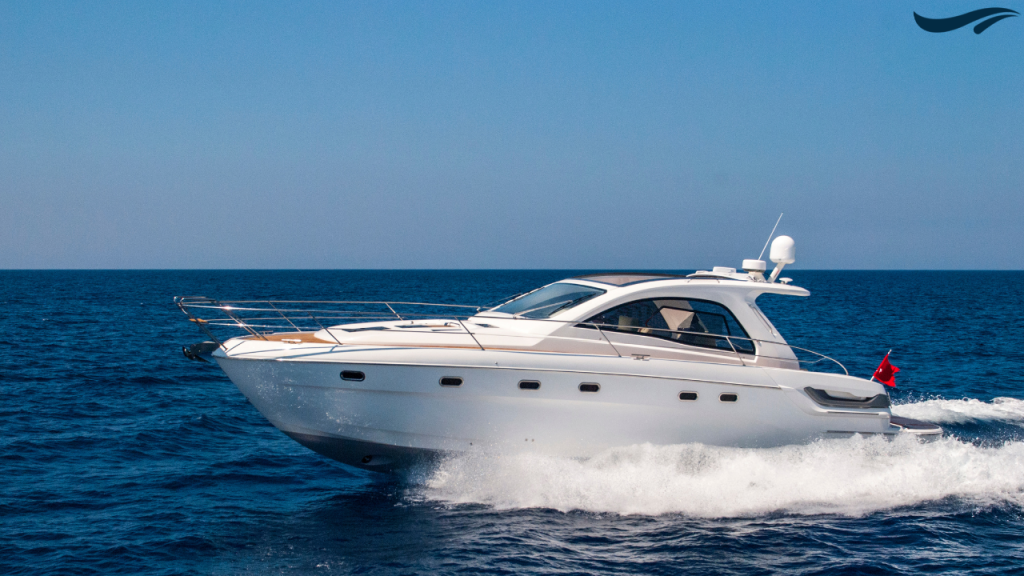
Installation
Plan the backbone before pullIng a single cable. The trunk runs past the devices: helm, flybridge if there is one, engine room or transom for the gateway, mast step or arch for wind and GPS. Both ends of that trunk gets a terminator “resistor”. Two terminators, one at each end. No exceptions.
Power comes from a switched 12-volt DC fused circuit. On longer vessels, power is sent near the middle of the backbone so voltage stays even out to the far devices. The practical limit is about a 1.67-volt drop to the farthest device. Past that, displays brown out and the network gets flaky.
Drop cables stay short. The rule is 6 meters (20 feet) maximum from the backbone to any device, and the total of all drops on the network stays under 78 meters. A 30-centimeter drop is better than a 3-meter one even when both are legal. Micro cable backbones are fine for most recreational boats; the distance between any two points on a micro trunk should stay within 100 meters.
Connectors get clicked, not forced, and strain-relieved. It is best not to leave a T-connector hanging in a bilge “for later.” Spare tees get capped. Every joint that can see weather gets a drip loop so water runs off the cable instead of into the plug.
Other considerations
Costa Rica is hard on connectors. Salt air on the Pacific, humidity that never really leaves, rain that finds every unsealed gland, and sun that cooks anything left on an exposed arch. A network that was fine in a temperate marina will complain here if the install was casual.
the backbone should be kept out of the bilge and out of engine-heat pockets. Cable runs go through conduit or along dry trays ideally, separated from VHF coax and heavy battery cables so you do not invite noise(RFI). There is shielded N2K cable available if space is an issue, I would recommend it in any case. Each cable passing through any penetration gets protected from damage. After the network is proven, do not open connectors for fun — each time you break a seal in this air, you roll the dice.
Label both ends of every drop. Six months from now, when a mate wants to know which cable is the engine gateway and which is the fuel sender, a label saves an afternoon. Also write down what is on the network: device, location, drop length. That schedule lives with the boat documents. It is the difference between a one-hour service call and a full-day hunt.
Common mistakes
Daisy-chaining T-connectors through the drop port, or parking a terminator on a drop instead of the end of the trunk. Both look tidy and both are wrong. There are triple and quadruple T connectors available and terminators belong at each end of the trunk.
An always-hot battery feed, so a device can drain the battery bank while mooring.
One long “drop” run the length of the boat because pulling backbone felt like more work. That is how you get intermittent depth and an autopilot that hunts.
Mixing in an uncertified USB gadget or a cheap engine gateway that floods the bus. Always use certified devices, or a proper gateway from the engine maker. If an older 0183 radio or AIS needs to join, use a gateway — do not twist the two standards together and hope.
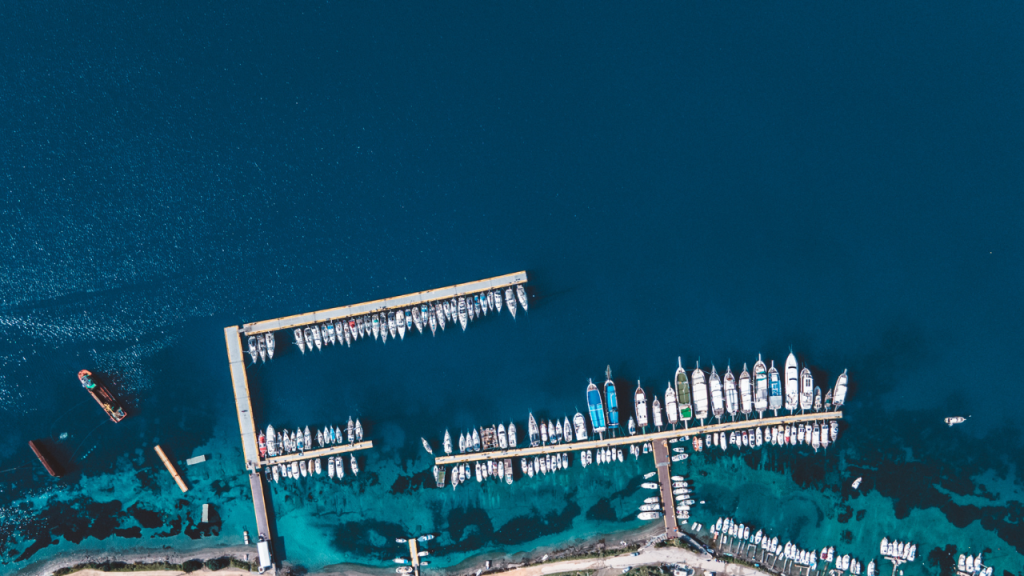
What you should ask before someone touches the helm
Is the backbone going to be linear, with terminators at both ends? Where will the power be injected, and will it be switched and fused? Are drops going to be under 6 meters? Are connectors going to be supported and drip-looped? Are the existing devices NMEA certified? If not, can you make sure I get the correct equipment for this system? Will you list every device and confirm they all appear on the plotter before the job is done?
If the answers are clear, you are in good shape. If the plan is “we’ll just plug it into the back of the Garmin,” ask for a drawing first.
A network is not glamorous. Nobody charters a boat because the backbone is pretty. But when the plotter, the sounder, the engines, and the autopilot agree with each other on a grey afternoon outside the Golfo Dulce, that is the install doing its job. Build it once, keep the connectors dry, and the electronics stop being a project and go back to being tools.
– Walter K.